Guides for creators and social media marketers
Practical explainers on the money and rules side of social media, written from primary sources and linked to them, so you can check every claim yourself.
 Rules & compliance
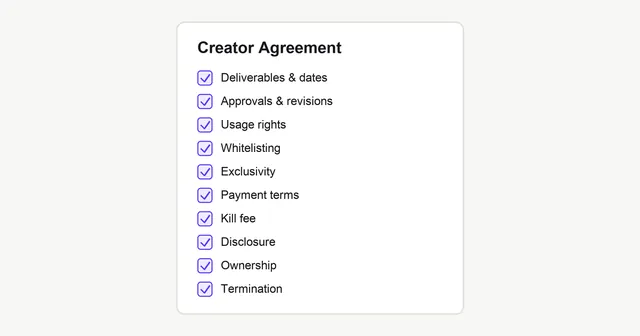
Creator contracts: the 10 clauses to read before you sign a brand deal
The rate gets all the attention, but the contract decides what you actually deliver, when you get paid, and what the brand can do with your work. Here is what to look for in each clause.
Read the guide →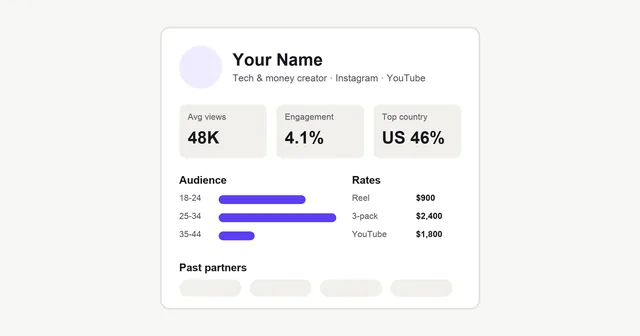 Brand deals
How to build a creator media kit brands actually read
Brands decide in seconds whether to keep reading. Lead with the numbers their own creator-search tools filter on, show where each figure came from, and keep it to one page.
Read the guide →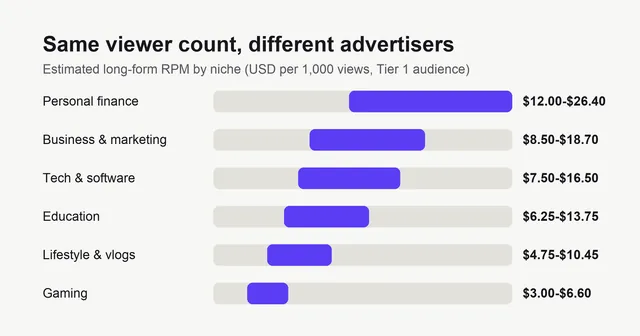 Ad rates
The highest-paying YouTube niches, and why advertisers pay more for them
Two channels with identical views can earn several times different amounts. The reason is who wants to advertise to their viewers. Here is how that works, and how to use it.
Read the guide →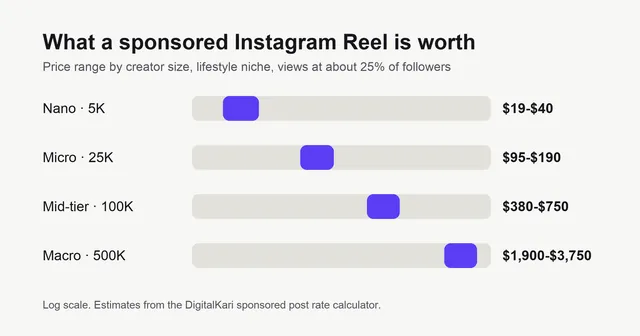 Brand deals
How much should creators charge for sponsored posts? (2026 rate benchmarks)
The old rule of a fixed price per thousand followers no longer reflects what brands buy. Price on the views you deliver, add your niche, then charge separately for every extra right a brand wants.
Read the guide →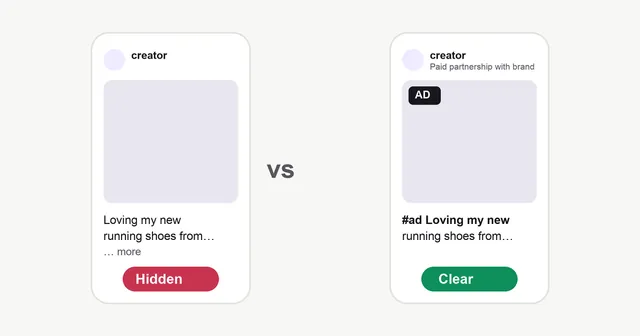 Rules & compliance
How to disclose sponsored posts: the US, UK and India rules creators need to know
A free product counts. So does an affiliate link. The label has to be impossible to miss, and the platform's paid-partnership toggle on its own may not be enough. Here is what regulators in the US, UK and India actually require.
Read the guide →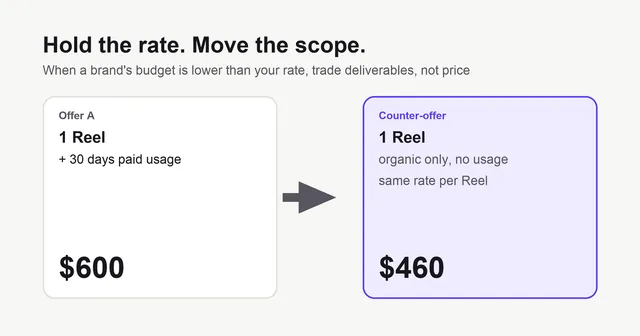 Brand deals
How to negotiate a brand deal without lowering your rate
Brands are spending more on creators, but almost every first offer comes in low. The skill is protecting your rate per deliverable while still finding a deal that fits their budget.
Read the guide →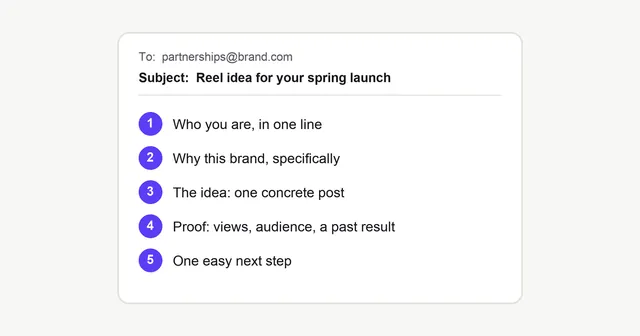 Brand deals
How to pitch brands as a small creator (with email templates)
Brands are actively looking for smaller creators. The ones who get paid are easy to find on the platforms' own marketplaces and send short, specific pitches that make saying yes easy.
Read the guide →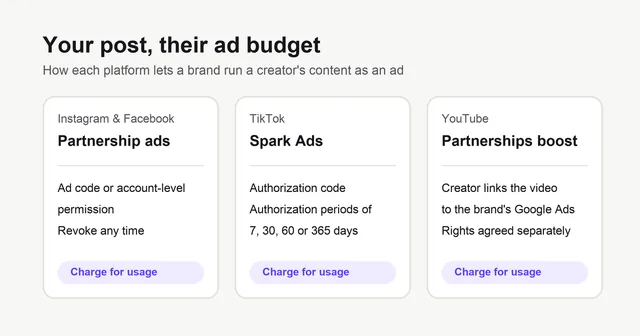 Brand deals
Usage rights and whitelisting: how much to charge brands to run your content as ads
A post on your feed and the same post running as an ad to millions of strangers are two different products. Here is how each platform handles it, who owns the content, and how to price the difference.
Read the guide →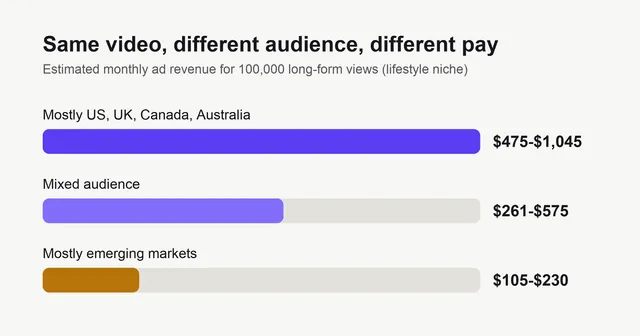 Ad rates
YouTube CPM by country: why the same views pay so differently
Where your viewers live can change your ad income several-fold. YouTube says so plainly; here is why it happens, how to check your own split, and what you can realistically do about it.
Read the guide →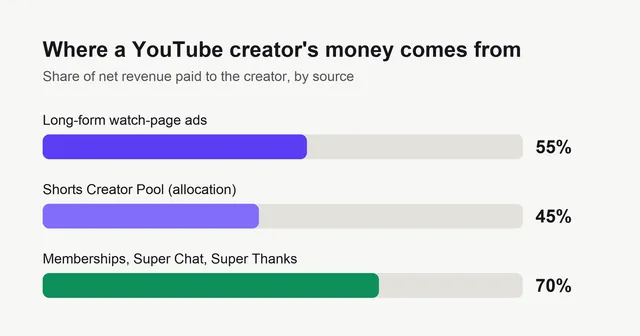 YouTube monetization
YouTube Partner Program explained: requirements, revenue shares and what changes in 2027
Two eligibility tiers, three revenue shares and one big rule change on the way. Here is how YouTube actually pays creators, with a link to the official source for every number.
Read the guide →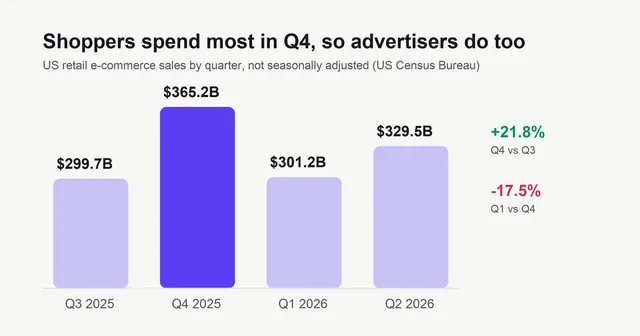 Ad rates
Why YouTube pays more in Q4, and how to plan your uploads around it
Every year many creators see revenue climb into December and fall sharply in January. It follows the shopping calendar. Here is the evidence, and how to plan for it.
Read the guide →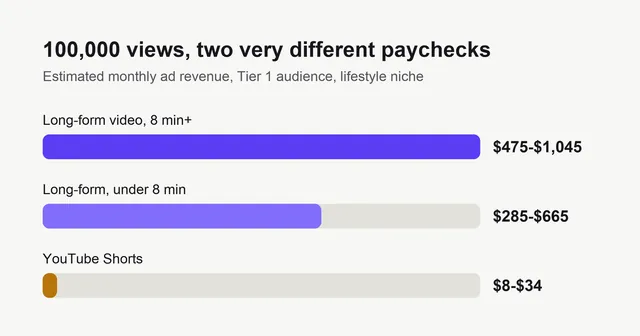 YouTube monetization
YouTube Shorts vs long-form: which earns more, and when to use each
Shorts are paid from a shared pool split by view share; long-form videos earn from ads on the video itself. At the same view count the gap is dramatic, but the smartest channels use both.
Read the guide →